Career highlights

Michael Wilson - Engineering Products,
Leading Teams, Delivering Launches!

Three decades of automotive product ownership across mechanical, electromechanical, and software-controlled systems—from design and validation through supplier execution, manufacturing, and production launch.

30+ Years product development
11 Engineering Case Studies
1999 Systems transition milestone
Selected work

Selected Engineering Timeline

These entries demonstrate technical depth, systems integration, cross-functional leadership, and progression from direct product engineering into broader product and systems responsibility.

1995
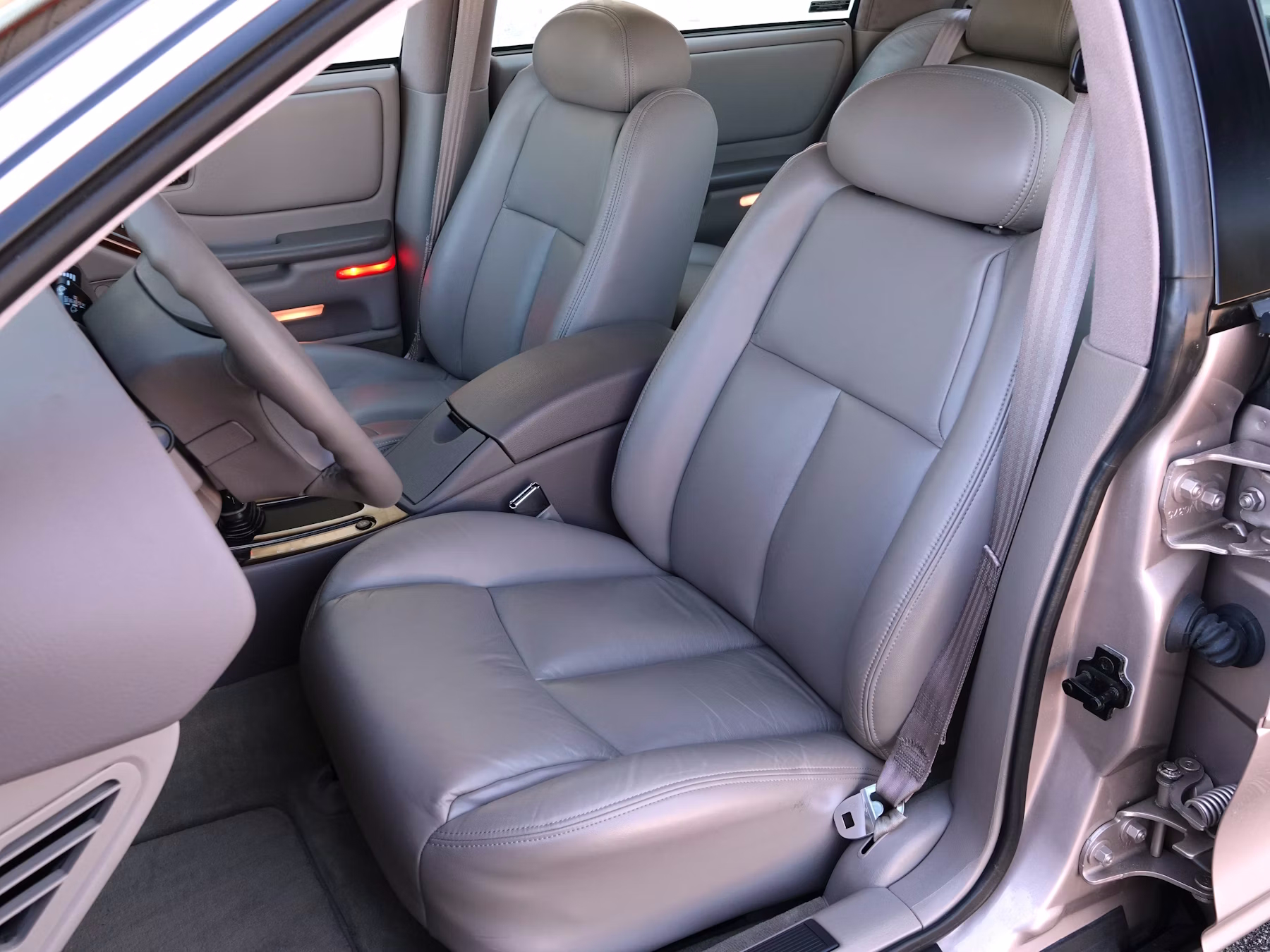
1996 Oldsmobile Aurora front-seat interior
Lear Corporation Product Engineer — Seating Systems 1996 model year

Oldsmobile Aurora Pneumatic Lumbar Integration

Led the integration and release of a new centralized pneumatic lumbar architecture serving both front seats, coordinating the required seat and vehicle interfaces. The design replaced separate seatback pumps with a single under-driver-seat pump and four-valve module, reducing cost and component count while improving reliability.

  • Developed during 1995 for the 1996 model year.
  • Approximately 30,000 vehicles annually.
  • Eliminated the separate passenger-seat pump and valve assembly.
  • Eliminated the passenger-seat harness branch that had supplied the former pump.
  • Completed validation and Production Part Approval Process (PPAP) without late redesign.
  • Launched on schedule and within budget.
1996 1999
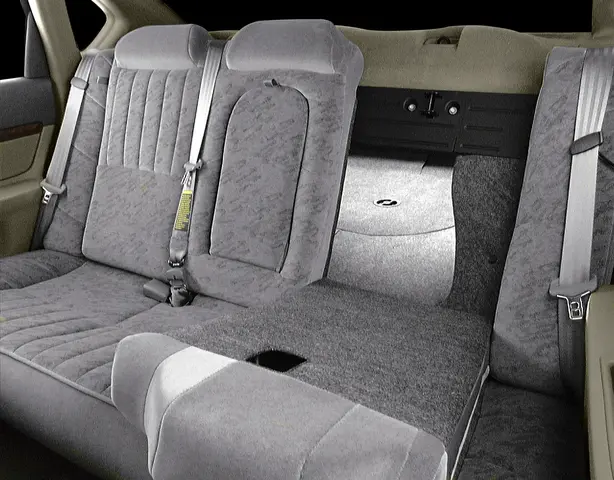
60/40 split-folding rear-seat interior with one seatback folded flat
Lear Corporation Product Engineer — Seating Systems 2000 model year

Chevrolet Impala and Monte Carlo Split-Folding Rear-Seat Development

Designed and released new 60/40 split-folding rear-seat systems for two General Motors (GM) vehicles with significantly different package conditions while preserving nearly every structural and mechanical component of consequence.

  • Approximately 250,000 vehicles annually combined.
  • Preserved Lear's business case for a common structural and mechanical architecture.
  • Fold-flat targets achieved despite major package differences.
  • Seat-comfort targets achieved for both vehicle platforms.
  • Successful launch with no major production issues.
  • Basic rear-seat frame design carried forward to later W-body vehicles.
1999
Trico Products Development Engineer Career transition

Transition to Complete Windshield-Wiper System Development

After supporting the launch of the Chevrolet Impala and Monte Carlo rear-seat systems, moved from automotive seating into complete electromechanical windshield-wiper systems. The change broadened responsibility from seat-system development into vehicle-integrated product ownership spanning kinematics, packaging, design release, validation, supplier coordination, and production launch.

  • Supported final development and launch activity for the Freightliner P2/F2 wiper system and production support for the recently launched C2 system.
  • Expanded from seating structures and mechanisms into complete electromechanical system development.
  • Added vehicle-level kinematics, wipe-pattern performance, packaging, and system-integration responsibility.
  • Began direct technical-acquisition, quotation, and customer-interface work for complete wiper systems.
  • Established the technical foundation for the later General Motors supplier-integrated DRE assignment.
1999 2000
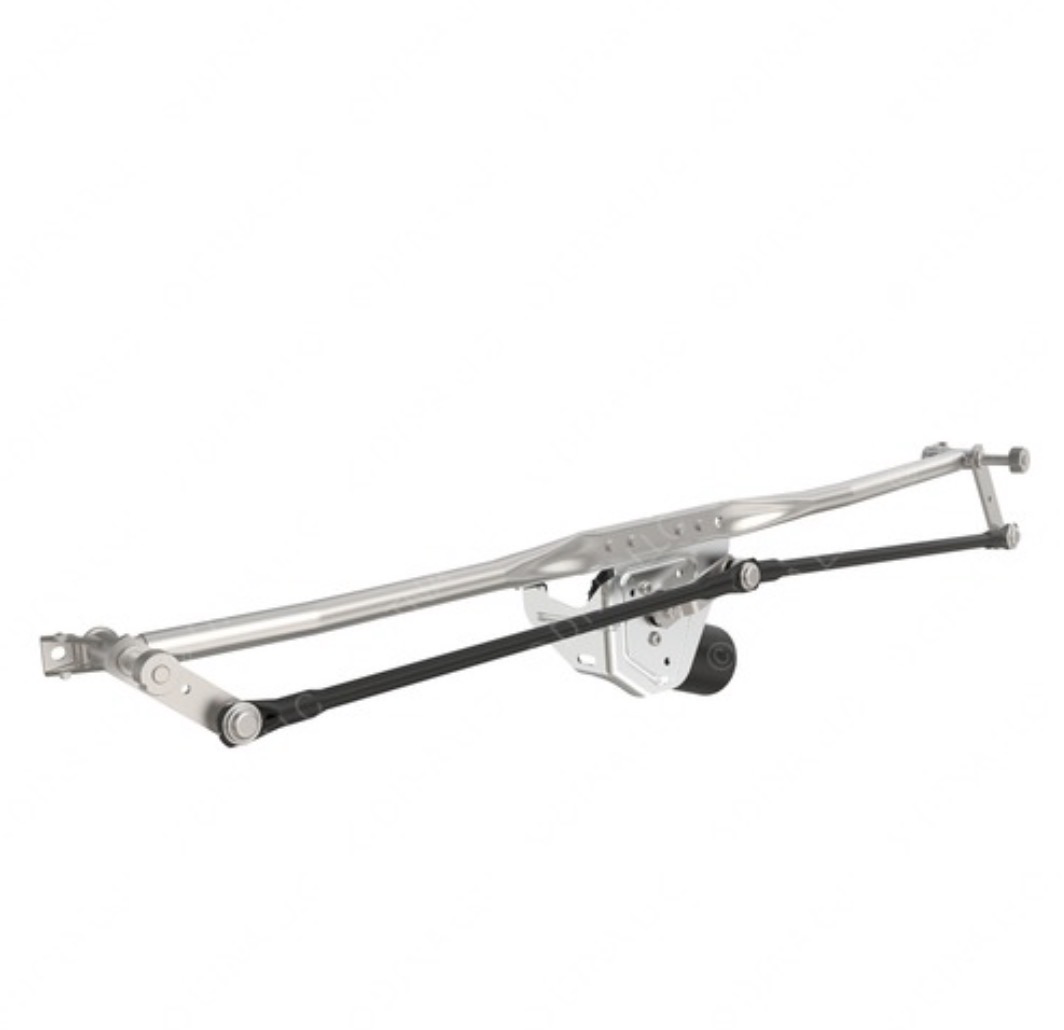
Freightliner M2 windshield-wiper motor, linkage, tube, and pivot module on a white background
Trico Products Development Engineer October 1999-June 2000

Freightliner M2 Business Class Wiper-System Redesign

Redesigned and released the complete Freightliner M2 Business Class wiper module after Trico assumed the program from the previous supplier. Under compressed timing, developed a Trico production design from the inherited package, including Trico wiper-motor integration, a new unitizing-tube and center-bracket design, Trico-compatible outboard pivot castings, Trico-standard bearings and shafts, new wiper-arm and blade assemblies, and complete kinematic verification.

  • Completed the full Trico production design by June 2000 after redesigning the complete system in four weeks.
  • Converted the previous supplier design package into a Trico production-ready wiper system.
  • Verified vehicle packaging and complete system kinematics.
  • Completed the system and component redesign and release, along with the initial prototype build and Design Verification testing, before transferring to the General Motors onsite assignment.
  • Production design carried into manufacturing by the succeeding engineer.
  • No major design or production issues are known.
  • Approximately 35,000 vehicles annually on average.
2000 2005
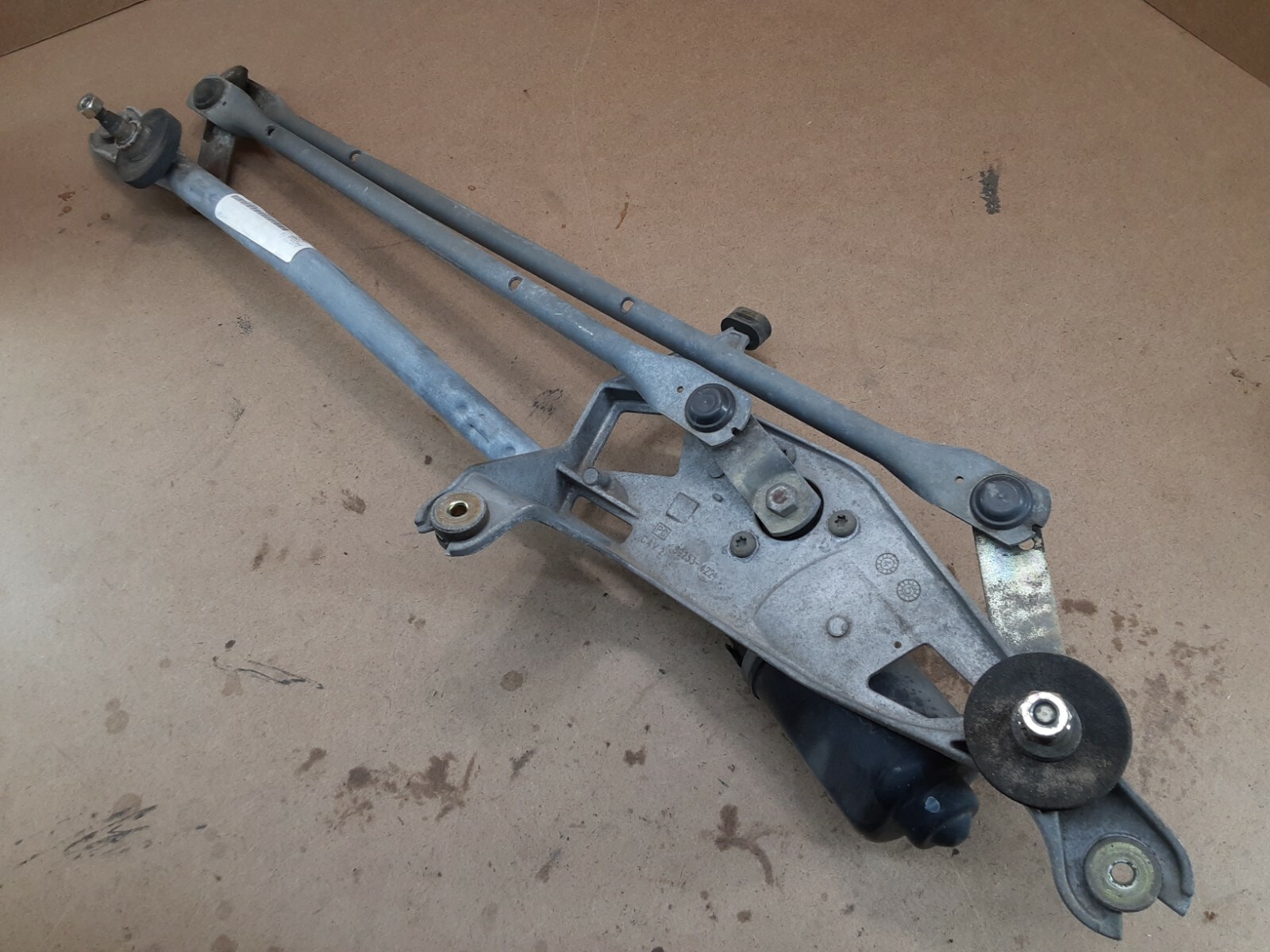
General Motors W-body windshield-wiper motor, linkage, support structure, and pivots
Trico Products Development Engineer / Engineering Supervisor 2000-2005

General Motors W-Body Wiper-System Redesign and Launch Recovery

GMX367 Pontiac Grand Prix | GMX365 Buick LaCrosse

Redesigned and released the complete front wiper and washer systems for the GMX367 Pontiac Grand Prix and GMX365 Buick LaCrosse after Trico assumed the programs from the previous supplier following the Alpha prototype phase. When the first Trico Beta systems showed severe high-speed dynamic wipe-pattern growth, developed a third-hard-mount countermeasure and recovered the design in time for Gamma prototypes and an on-schedule launch.

  • Complete Trico front wiper and washer systems redesigned and released.
  • High-speed cowl and A-pillar contact eliminated through a third-hard-mount countermeasure.
  • Corrected hardware delivered in time for the Gamma build.
  • Validation passed without another major redesign.
  • Production launched on schedule.
  • More than 200,000 vehicles annually.
Oct 2002
Trico Products Engineering Supervisor Career progression

Promotion to Engineering Supervisor

Promoted from Development Engineer to Engineering Supervisor after completing more than two years onsite at the General Motors Technical Center. Returned to the Trico Technical Center with first-line engineering leadership responsibility while continuing substantial hands-on product and program ownership.

  • Transitioned from individual product ownership into engineering supervision while retaining direct technical involvement.
  • Continued GMX367 Pontiac Grand Prix and GMX365 Buick LaCrosse development and production-launch support.
  • Took engineering responsibility across a program portfolio representing approximately $50 million in actual annual revenue.
  • Supported programs spanning General Motors, Chrysler/Dodge Ram, Freightliner, Navistar, and commercial-vehicle applications.
  • Combined customer-facing technical responsibility with growing responsibility for the work and development of other engineers.
  • Began the transition from executing individual programs to directing multiple concurrent product-development activities.
2002 2006
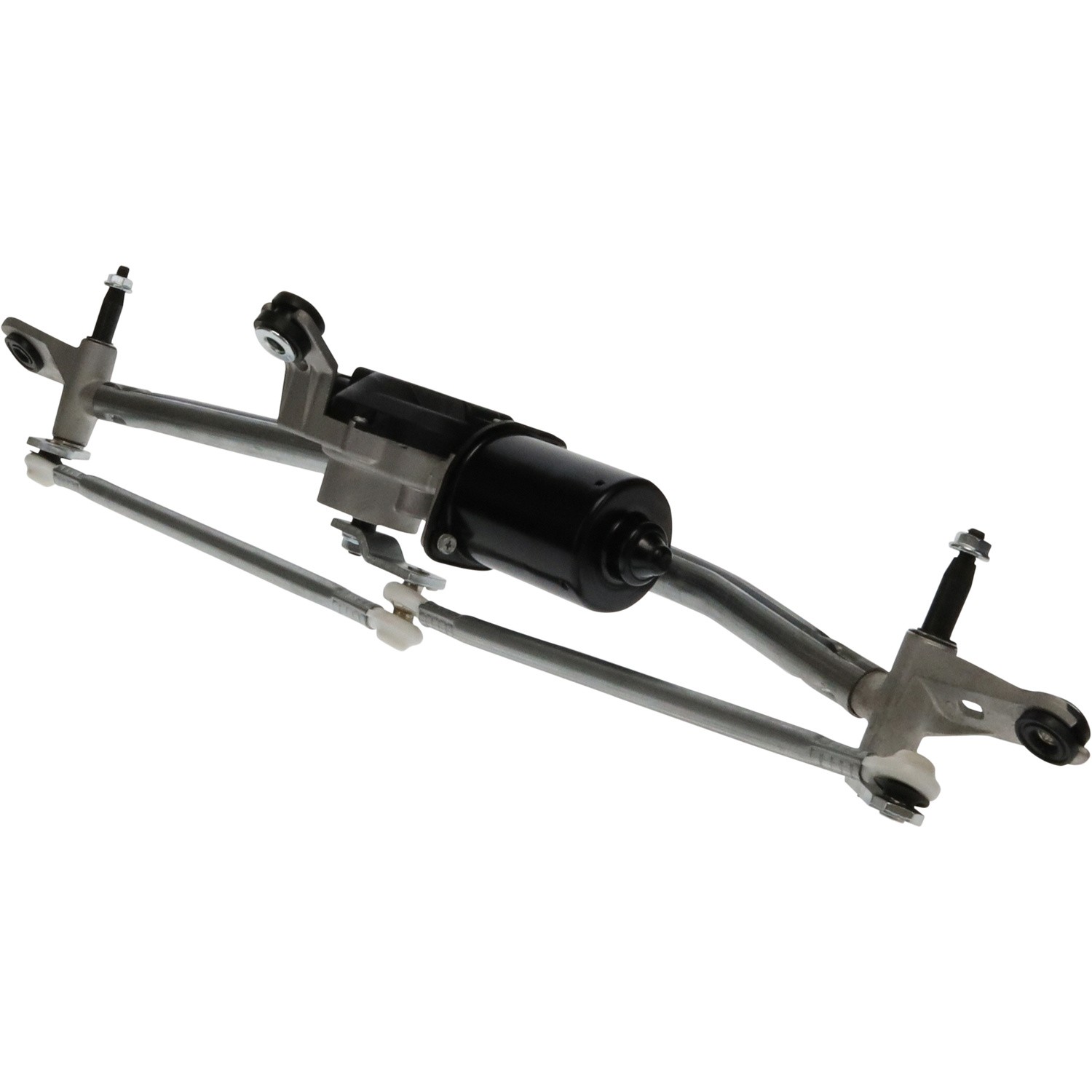
General Motors Theta front windshield-wiper module used across the Equinox, Torrent, and XL7 vehicle family
Trico Products Engineering Supervisor / Engineering Manager 2002-2006

General Motors Theta Vehicle-Family Wiper and Washer System Development

GMT191 Chevrolet Equinox | GMT192 Pontiac Torrent | GMT193 Suzuki XL7

Directed the quotation, concept development, architecture definition, and customer technical work for the GMT191 Chevrolet Equinox, GMT192 Pontiac Torrent, and GMT193 Suzuki XL7. After award, an engineer working under my supervision handled much of the day-to-day engineering workload while I retained accountable technical responsibility, major technical decision-making, customer interface, and issue-resolution leadership through all three on-schedule launches. The front wiper module, arms, and blades were fully common across all three applications.

  • Front wiper module, arms, and blades fully common across all three vehicles.
  • Shared Equinox/Torrent rear module recovered from a critical water-ingress issue discovered during Design Verification testing.
  • Corrective design changes carried into the later XL7 application.
  • Accountable technical responsibility retained through three on-schedule launches and launch support.
  • Combined planned annual production approached 245,000 vehicles.
2004
Trico Products Engineering Manager Career progression

Promotion to Engineering Manager

Promoted to Engineering Manager as responsibility expanded beyond first-line supervision into broader program, customer, and engineering execution across multiple automotive and commercial-vehicle accounts. The role combined management responsibility with continued direct technical involvement on selected high-priority programs.

  • Managed engineering responsibility across a portfolio representing approximately $75 million in actual annual revenue.
  • Expanded program scope to include GM Theta, Saturn L-Series, Saturn VUE, Hummer H2, Dodge Ram, Freightliner, Navistar, and other continuing customer programs.
  • Directed product engineers responsible for day-to-day program execution while remaining involved in major technical decisions, customer issues, validation, and escalation.
  • Continued direct involvement in technical acquisition, RFQ development, system architecture, kinematics, and customer technical presentations.
  • Led major technical problem solving, supplier accountability, validation decisions, and launch support across multiple concurrent programs.
  • Increased responsibility for engineering execution through others while retaining hands-on technical ownership where program needs required it.
2004 2006
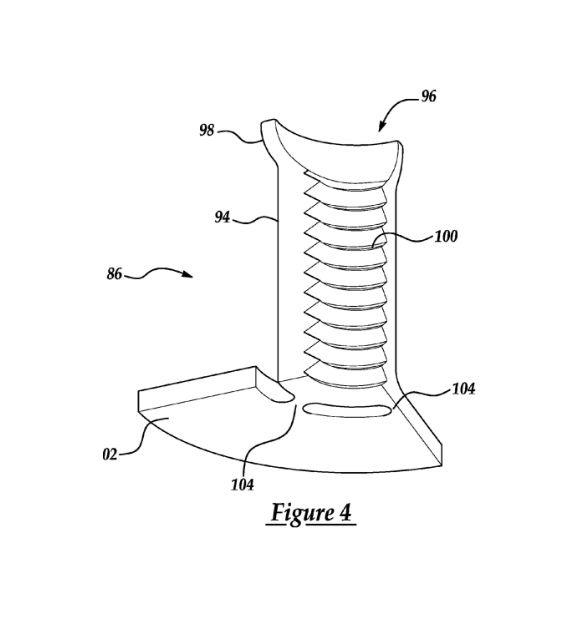
Patent drawing of the sacrificial slotted ferrule used in a breakaway wiper mounting concept
Trico Products Engineering Supervisor / Engineering Manager 2004-2006

Pedestrian-Protection Wiper-Pivot Innovation

Patented breakaway ferrule · Production frangible casting

Anticipated emerging European pedestrian-impact requirements by originating and independently validating a patented breakaway wiper-mounting concept, then led development of a simpler frangible cast-pivot architecture. The production design preserved full wiper-system durability and stall-load capability, reduced casting material by approximately 15%, and became Trico's standard pivot architecture.

  • Patented breakaway concept passed internal loading and independent impact validation.
  • Finite element analysis accurately predicted the production pivot's fracture location and load.
  • Production architecture passed vibration, durability, stall, snow-block, and low-temperature testing.
  • Approximately 15% casting-material reduction with moderate cost savings.
  • Successfully transferred from validated concept into production applications on the Hummer H2 and Dodge Ram DS.
2005 2008
Complete Dodge Ram windshield-wiper module with motor, linkage, support structure, and pivots
Trico Products Engineering Manager / Concept Originator 2005-2008

Dodge Ram Fastener-Free Wiper Mount

Served as the responsible engineer for the complete wiper-system quotation and program award, then continued as Engineering Manager and technical adviser during production development. In response to a Chrysler manufacturing request, developed a fastener-free passenger-side pivot attachment using a Z-shaped tang, rubber isolation grommet, and rotational installation sequence.

  • Eliminated one fastener and one difficult vehicle-assembly operation.
  • Enabled one operator to install and secure the module from the driver side.
  • Preserved the system's isolation and tolerance-management strategy.
  • Passed full durability, reliability, vibration, stall, snow-block, impact, and temperature validation.
  • Launched without modification after final production release.
  • Later applied to Ram 2500 and 3500 models.
  • No known post-launch issues associated with the attachment.
2011 2013
Complete Maserati M156 windshield-wiper module with motor, linkage, support structure, and pivots
Trico Products Engineering Manager / Lead Development Engineer 2011-2013

Maserati M156 Complete Wiper-System Development

Won and led Trico's first Fiat production program, serving as Engineering Manager, lead development engineer, technical quotation owner, and principal engineering interface with Fiat in Torino. Directed complete LHD and RHD wiper-system development through design freeze, validation, industrialization, and launch.

  • Delivered complete LHD and RHD systems built around a common application motor.
  • Implemented Trico's first 90-degree integrated motor-cover connector orientation.
  • Led Trico's first full-vehicle three-dimensional wiper CFD study.
  • Met a 220 km/h aerodynamic-performance requirement.
  • Applied the established frangible pedestrian-protection pivot architecture.
  • Passed Fiat's formal design-freeze gate in Torino.
  • Launched on time in 2013 with no meaningful post-launch issues.
  • Helped establish the credibility that led to the later Fiat Ducato award.
2012 2016
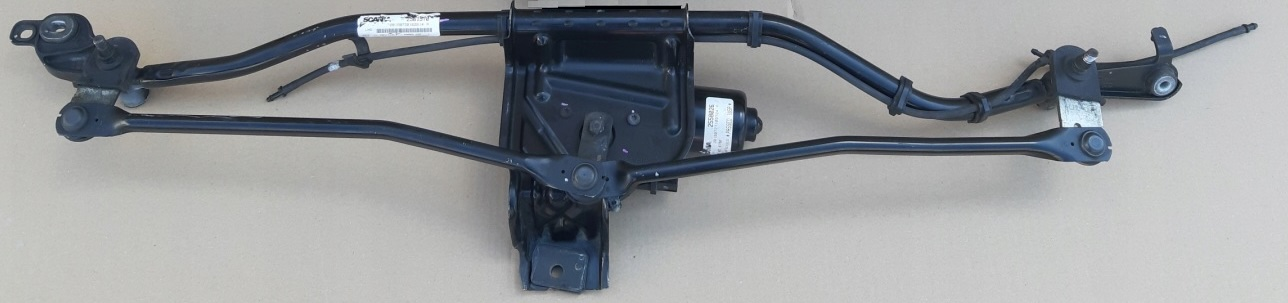
Complete Scania NCG windshield-wiper module with motor, linkage, support structure, and pivots
Trico Products Engineering Manager / Lead Development Engineer 2012-2016

Scania NCG Complete Wiper-System Development

Won and led Trico's first European heavy-duty commercial-truck wiper-system program, integrating a new 24 V, 50+ Nm motor with separate LHD and RHD modules, 28-inch blades, blade-mounted washer nozzles, stringent NVH requirements, and Scania-specific validation.

  • Selected by Scania as development supplier May 2012; production award November 2013; first G-series SOP in June 2016.
  • Original center-grommet concept helped control module roll and pattern growth.
  • Maintained less than 50 mm cowl pattern growth from nominal park.
  • Completed 4.5-million-cycle durability plus Scania Combined Tests.
  • Validated 100% mud-test cleaning of the wiped area within two cycles.
  • Passed formal Scania design freeze / technical approval in Södertälje.
  • Launched on time with very few post-launch issues.
Jun 2014
Trico Products Director of Engineering and Design Career progression

Promotion to Director of Engineering and Design

Promoted after a strong record of technical execution, customer leadership, and complex program delivery. Before the promotion, Trico President and CEO Lou Braga asked me to define my vision for the design organization: a global, collaborative group with shared standards, flexible use of resources, and measurable improvement in output and quality.

  • Assumed responsibility for the consolidated CAD/design organization, Document Control, Release Analysis, Warranty Analysis, and FEA/analysis engineering.
  • Moved from day-to-day customer execution on major development programs into broader organizational and technical leadership.
  • Given broad latitude to organize the design function and establish priorities, structure, and operating expectations.
  • Retained technical credibility and escalation responsibility while shifting more execution through supervisors, engineers, and design resources.
  • Established the leadership platform for later expansion into software and hardware engineering responsibility.
2014 2016
Trico Products Director of Engineering and Design Engineering operations transformation

Engineering Design Transformation — NX, Teamcenter and Global Design Operations

Reorganized a fragmented multi-business-unit design function into a common engineering design organization, standardizing tools, design practices, release governance, workload management, and PLM control while building Teamcenter Unified Architecture into the controlled CAD and engineering-release environment.

  • Broke down customer/business-unit design silos and assigned work based on capability, workload, and relevant product knowledge.
  • Established common design standards, formal reviews, auditable procedures, drawing-quality controls, and a living reference-drawing library.
  • Led verified migration into TcUA and performed hands-on BMIDE configuration of Trico objects, data types, ECR structures, and release workflows.
  • Replaced six India contractors with three direct Trico designers in Matamoros under the common operating model.
  • Reduced the drawing backlog from more than 500 open items to consistently below 150 while improving design productivity by approximately 40%.
  • Maintained essentially the same Rochester Hills workload as local design staffing moved from 16 designers to 9.
2019 2020
Trico Products Director of Engineering and Design Embedded-software recovery

Ford F-150 Smart Reversing Wiper-Motor Software Recovery

Assumed responsibility for the software team in April 2019 with the 2021 Ford F-150 reversing-motor program in serious trouble: largely prototype-grade monolithic software, sparse managed requirements, almost no formal software validation, no dedicated validation resource, and no software test bench. Led a production-readiness recovery without attempting a high-risk architectural rewrite under compressed timing.

  • Paused nonessential development and protected scarce software capacity from likely non-software DV firefighting.
  • Led team-wide requirements decomposition and built requirements-to-test-case-to-result traceability in Polarion.
  • Established a dedicated software-validation position and a new software test bench; software staffing reached four dedicated developers during part of the recovery.
  • Added controlled bench validation for LIN communication faults, fault handling, recovery modes, and functional requirements.
  • Combined software-bench verification with motor-assembly and complete wiper-system function, performance, and durability validation.
  • Completed production software in time for the 2021 F-150 launch, with no post-launch corrective software release required for a software defect.